Accommodation guide
Danum Valley Field Centre
A working rainforest research station — one of the world's most important — that also takes visitors. Same forest as the luxury lodge, a fraction of the price, and over 50 km of trails out the back door.
Last updated: September 2026
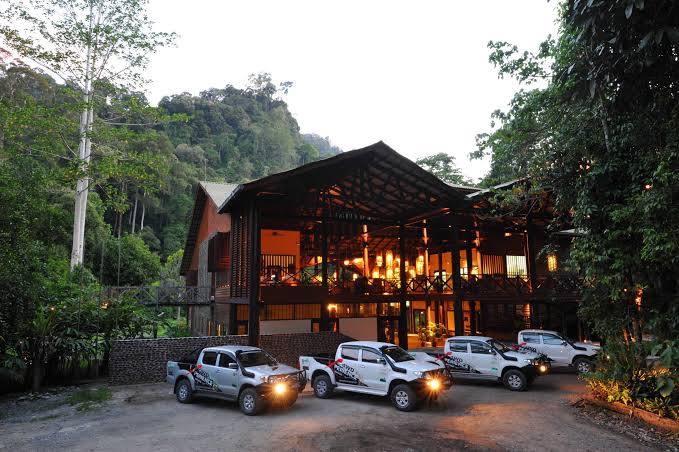
The Danum Valley Field Centre (DVFC) wasn't built for tourists — it was built for science, and that's exactly its charm. Established in 1986 as a base for rainforest research, it has grown into one of the leading field stations in the tropics, mentioned in the same breath as Barro Colorado Island in Panama and La Selva in Costa Rica. More than 70 PhD and Masters theses have come out of this forest since the mid-1980s, and the science continues around you: you share the cafeteria with researchers who've spent decades studying the trees outside the window, and dinner conversation can turn into a free masterclass on gibbon behaviour or dipterocarp flowering cycles.
Some operators have recently begun calling the facility the Danum Valley Study Centre (DVSC). Most travellers, guides, and packages still use the Field Centre name, so that's what you'll see throughout this guide — they're the same place.
What staying here is like
Functional, not fancy. Accommodation runs from hostel dorms to resthouse rooms, meals are cafeteria-style Malaysian cooking served at set times, and electricity comes from generators on a schedule — typically from around 7 am to 11 pm, after which the station goes dark and the forest takes over the soundtrack. Charging points in the rooms and hostel use UK-style 3-pin plugs, so most international visitors need no adapter beyond what they'd bring for Malaysia anyway.
In exchange for the simplicity you get the same primary forest as Borneo Rainforest Lodge, an atmosphere of genuine fieldwork rather than curated tourism, and per-night costs that make longer stays realistic. That last point matters more than any other: wildlife sightings compound with days on the trail, and DVFC is the only place in Danum Valley where a five-night stay doesn't require a luxury budget.
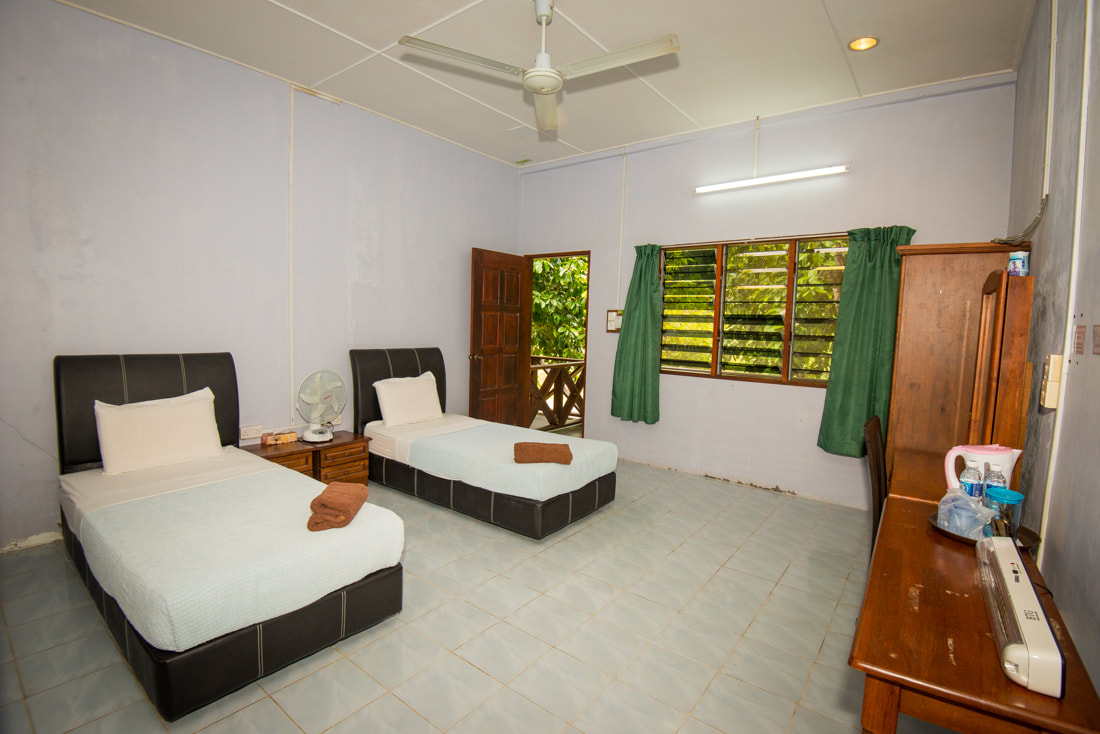
Room categories
Hostel
Dorm-style beds · cheapest way into Danum Valley
Shared rooms and bathrooms, favoured by students, backpackers, and field-course groups. Bring earplugs and a headlamp.
Standard Resthouse
Simple private rooms
The step up most couples take: privacy and a proper bed without much change to the budget.
Deluxe Resthouse
More space and comfort
Larger rooms with better furnishings — the sensible middle ground for longer stays.
Superior Deluxe Resthouse
The top Field Centre option
The most comfortable rooms on the station. Still a research centre, not a lodge — but the best sleep you'll get for the money in Danum Valley.
Food and facilities
Meals are cafeteria-style Malaysian dishes — rice, noodles, vegetables, chicken and fish — served at fixed times in the dining hall. It's honest, filling fuel rather than restaurant dining, and the shared tables are half the experience: researchers, guides, students, and travellers all eat together. Beyond the dining hall, the station is genuinely well equipped for its purpose: laboratories, a library, a Nature Interpretation and Environmental Education building, and a Nature Discovery Centre. There's no spa and no bar — the river is your pool and the night sky is your entertainment.
The trails
This is DVFC's trump card: over 50 km of marked trails leave directly from the station, more walking than any visitor exhausts in a week.
- Self-guided Nature Trail — a 500 m loop with numbered posts and labelled trees, plus an illustrated booklet in English and Malay. The perfect first hour, and one of the few trails you can walk without a guide.
- Bukit Atur — the pre-dawn climb for one of Borneo's finest sunrises, mist pooling over unbroken canopy in every direction.
- Tembaling Waterfall trek — a half-day walk to a forest waterfall with a swimmable pool at its base.
- The Kadazandusun burial site — an ancient cliff burial site on its own trail, separate from the Coffin Cliff at BRL.
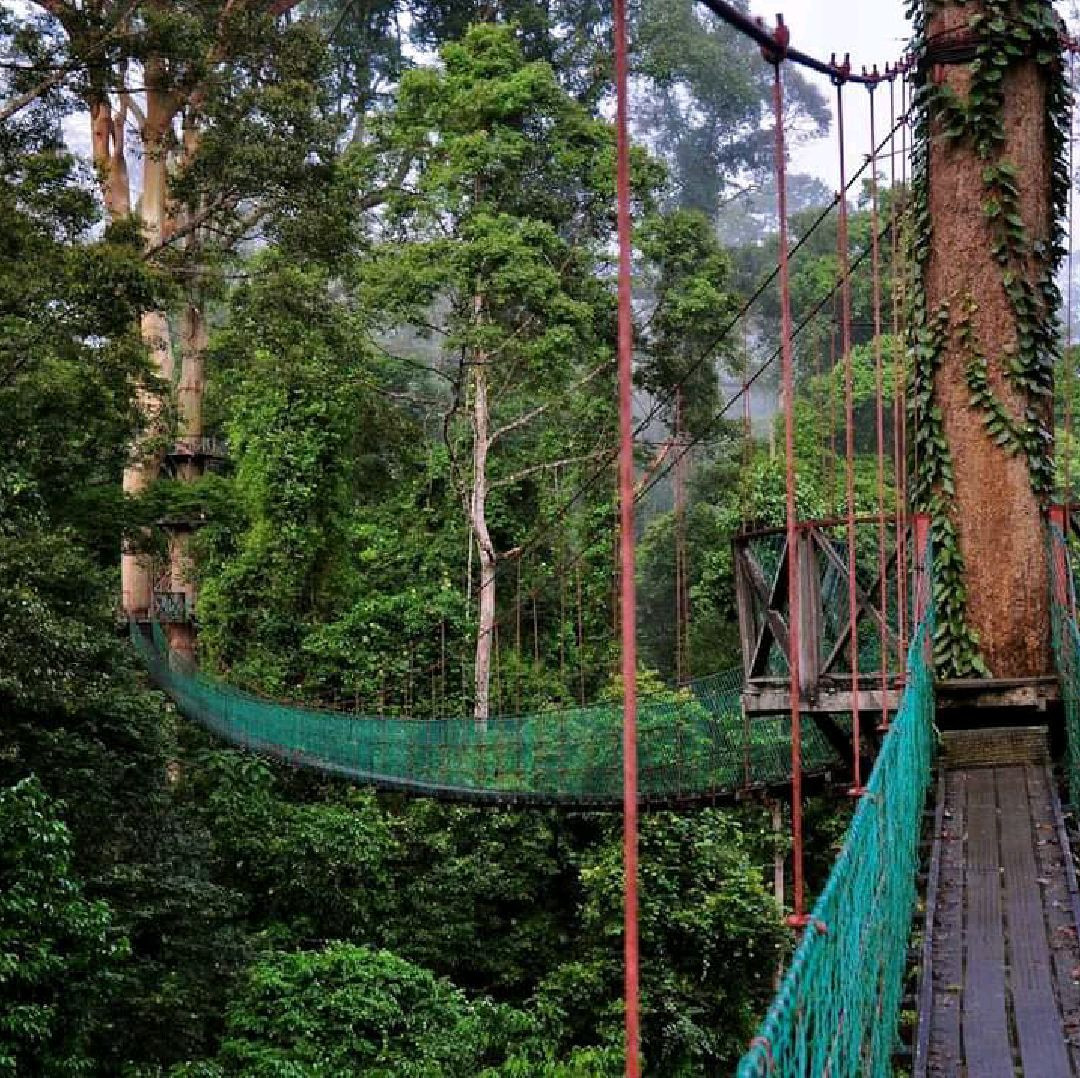
- Segama River suspension bridge — the swaying crossing that opens the trail network on the far bank, and a favourite photo spot.
- Canopy observation platforms and towers — vantage points into the treetops for birders and photographers. Note that the famous private canopy walkway belongs to Borneo Rainforest Lodge; DVFC's canopy access is via its platforms.
- Night walks and night drives — guided outings after dinner for civets, flying squirrels, sleeping birds, and a frog chorus in absurd variety.
What a day at the Field Centre looks like
Optional Bukit Atur climb for sunrise, or an early start on the trails — first light is when the forest is loudest and the wildlife closest.
Breakfast in the dining hall, then the main guided trek — often three to four hours deep into the trail network, at a pace set by your group.
Lunch, then the classic DVFC siesta: a swim in the river to beat the heat while the forest goes quiet.
A second, shorter trek — around two hours — as activity picks back up in the cooler air.
Guided night walk or night drive. Lights out when the generator stops around 11 pm — sleep comes easily.
The wildlife
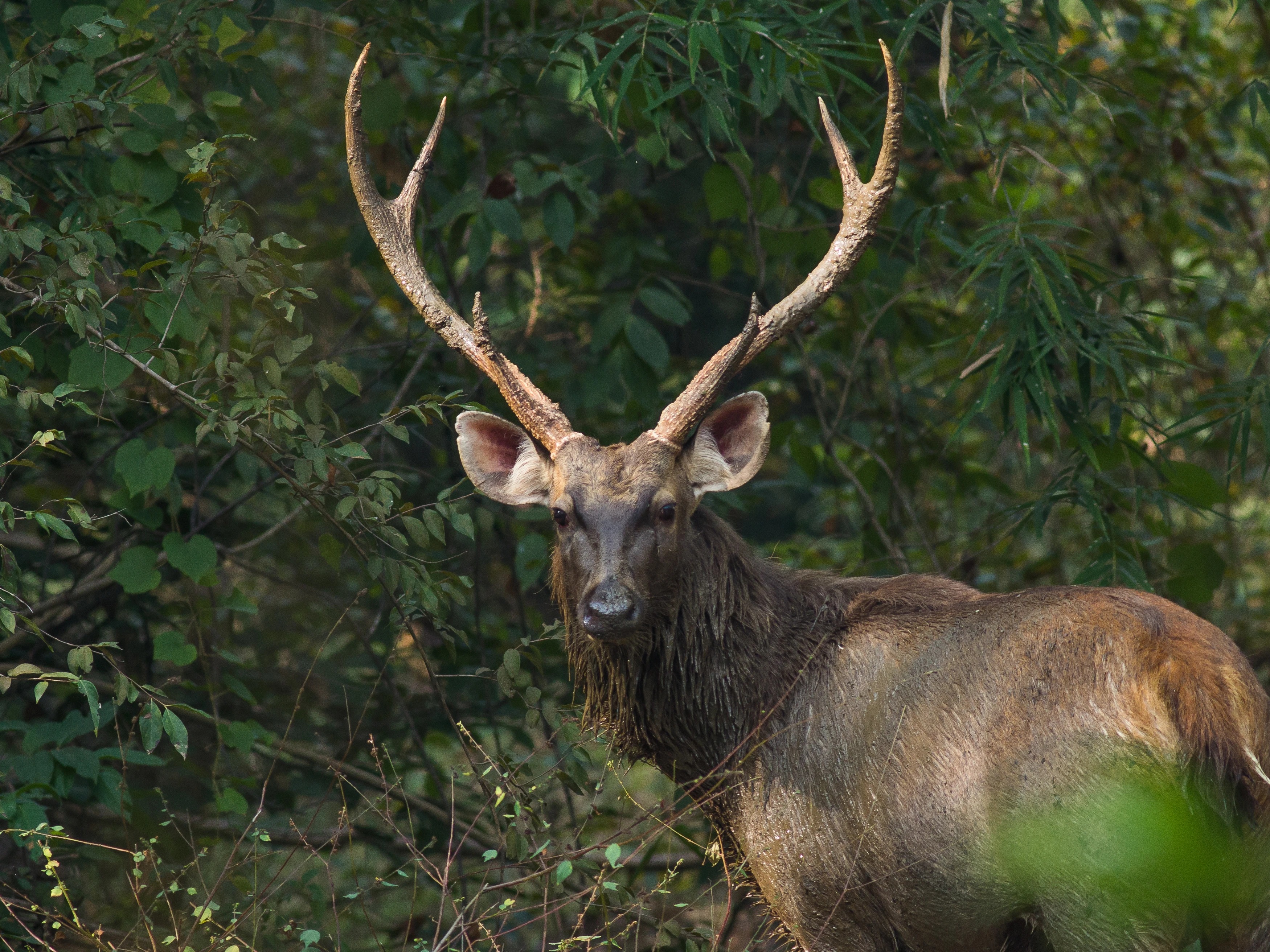
Same conservation area, same animals: wild Bornean orangutans, Bornean gibbons calling at dawn, pygmy elephants moving through the area, sambar deer grazing the station grounds at dusk, and hornbills commuting overhead. Herpers rate DVFC highly too — Wallace's flying frog is a regular night-walk highlight. For birders this is hallowed ground: Bornean bristlehead territory, with the trail mileage and affordable long stays that serious lists require. Many of Borneo's most-published wildlife researchers did their fieldwork on these exact trails, which tells you everything about the density of life here. See the full Danum Valley wildlife guide and our birdwatching guide.
What to bring for the Field Centre specifically
Everything on our general Danum Valley packing list applies, but station life adds a few items that matter more here than at the lodge: a good headlamp (essential once the generator stops at 11 pm, not optional), a power bank sized for a full day since charging windows follow the generator schedule, earplugs if you're in the hostel, sandals or water shoes for the river swims that anchor every midday, and a quick-dry towel. Laundry is best treated as a hand-wash affair — pack accordingly for longer stays.
Tips from repeat visitors
- Charge everything before 11 pm — the generator schedule is the one rule of station life, and the morning trek waits for no dead camera battery.
- Do the self-guided loop on arrival day — the 500 m Nature Trail with its labelled trees is the fastest way to learn the ten tree species you'll see everywhere for the rest of your stay.
- Book the Bukit Atur sunrise for your first clear morning — weather windows close fast, and it's the outing visitors most regret postponing.
- Sit with the researchers at dinner — ask what they study and you'll get a better briefing on the forest than any guidebook provides.
- Add a night, not a room upgrade — if there's spare budget, an extra day on the trails buys more sightings than a better mattress ever will.
Getting there
The Field Centre sits roughly 80 km west of Lahad Datu, reached by a 2-hour-plus drive on a mix of paved and gravel road shared with logging trucks — dusty in dry spells, muddy after rain, and part of the adventure either way. Keep your camera ready: elephants and civets are spotted from the road often enough that guides treat the transfer as the first game drive.
From Kota Kinabalu: a ~50-minute flight to Lahad Datu, then the road transfer in.
From Kuala Lumpur: there is no direct flight to Lahad Datu — fly via Kota Kinabalu, then connect. Budget a full travel day.
Most visitors book DVFC as a package with transfers, meals, and guiding included; independent arrangements are possible but the booking process is old-school, and arriving without a confirmed bed and guide is a genuine risk in a place this remote. Full routing details in our Getting to Danum Valley guide.
Field Centre or Borneo Rainforest Lodge?
The honest short version: the forest is the same, the beds are not. BRL gives you riverside chalets, restaurant dining, a spa, and the private canopy walkway, from roughly two and a half times the price. DVFC gives you the working-station atmosphere, more trail mileage from your door, and the budget headroom to stay longer — and days in the forest, not thread count, is what drives sightings. Couples and comfort-first travellers lean BRL; birders, naturalists, students, and anyone stretching a budget lean DVFC. The full breakdown, category by category, is in our BRL vs Field Centre comparison.
Costs and booking reality
Packages start from around RM 1,950 for 3D2N with transfers, meals, and guiding included — roughly 40% of the equivalent BRL stay. Room category and group size move the price; solo travellers pay a supplement in resthouse rooms but almost nothing extra in the hostel. Availability is better than at BRL, but resthouse rooms still fill in peak months — enquire 4–6 weeks ahead for April, July, and August. See current pricing by room category.
Who it suits — and who it doesn't
It suits birders and naturalists extending their stay, budget travellers who'd rather spend on nights than on thread count, solo travellers (the communal dining hall is the easiest place in Sabah to find trekking company), students and researchers-at-heart, and photographers who value trail mileage over a spa. It does not suit honeymooners, anyone who needs air conditioning and 24-hour power, or travellers for whom "generator schedule" sounds like a complaint waiting to happen — that's what Borneo Rainforest Lodge is for, and choosing correctly is the difference between a highlight and a grievance.
Related guides
Field Centre — common questions
Is the Field Centre only for researchers?
No — it hosts researchers and visitors side by side. It was built for science in 1986 and opened to naturalists and independent travellers over the years; tourist bookings help fund the station's scientific work.
Is there electricity and hot water?
Electricity runs on generators, typically from around 7 am to 11 pm, with charging points in rooms and the hostel using UK-style 3-pin plugs. Facilities are basic — treat comforts as bonuses rather than guarantees.
Why do birdwatchers prefer DVFC?
Affordable longer stays, early trail access, over 50 km of marked trails, and superb species diversity — including Bornean bristlehead territory. Serious birders choose DVFC because staying five or more nights is realistic on its prices.
How many nights should I stay?
Three nights is a good minimum; sightings compound with time on the trails, and DVFC's per-night cost makes four or five nights realistic — which is exactly why birders and naturalists favour it.
Can I visit independently?
Independent bookings are possible but the process is old-school; most visitors book a package with transfers, meals, and guiding included, which also removes the risk of arriving without a confirmed bed or guide.
Is it the same as the Danum Valley Study Centre (DVSC)?
Yes — some operators now use the Study Centre (DVSC) name. Most travellers, guides, and packages still say Field Centre (DVFC). Same place.
Is it suitable for children or first-time jungle visitors?
It suits adaptable families and first-timers comfortable with basic facilities, shared meals, and generator-schedule power. If comforts matter, Borneo Rainforest Lodge is the better fit.
How much does it cost?
Packages start from around RM 1,950 for 3D2N including transfers, meals, and guiding — roughly 40% of the equivalent BRL stay. See our full trip cost guide.
Ready to see it for yourself?
Get a day-by-day itinerary and exact price within one working day — free, no obligation.
Get my itinerary & price