
The rainforest gives extraordinary subjects and terrible conditions in equal measure. Preparation determines which one defines your photos.
Gear that survives the jungle
- Dry bags and silica gel: non-negotiable — humidity kills electronics and grows fungus inside lenses. Bag everything, refresh silica daily
- One versatile zoom beats a bag of primes: lens changes in 90% humidity invite condensation and debris; something like a 100–400mm range covers most wildlife
- A fast wide or standard lens for the forest itself, the canopy walkway, and lodge scenes
- Microfibre cloths, many: everything fogs when moving between air-con and jungle — let gear acclimatise before shooting
- Spare batteries: charging depends on generator hours; arrive with everything full
Shooting in the dark (which is everywhere)
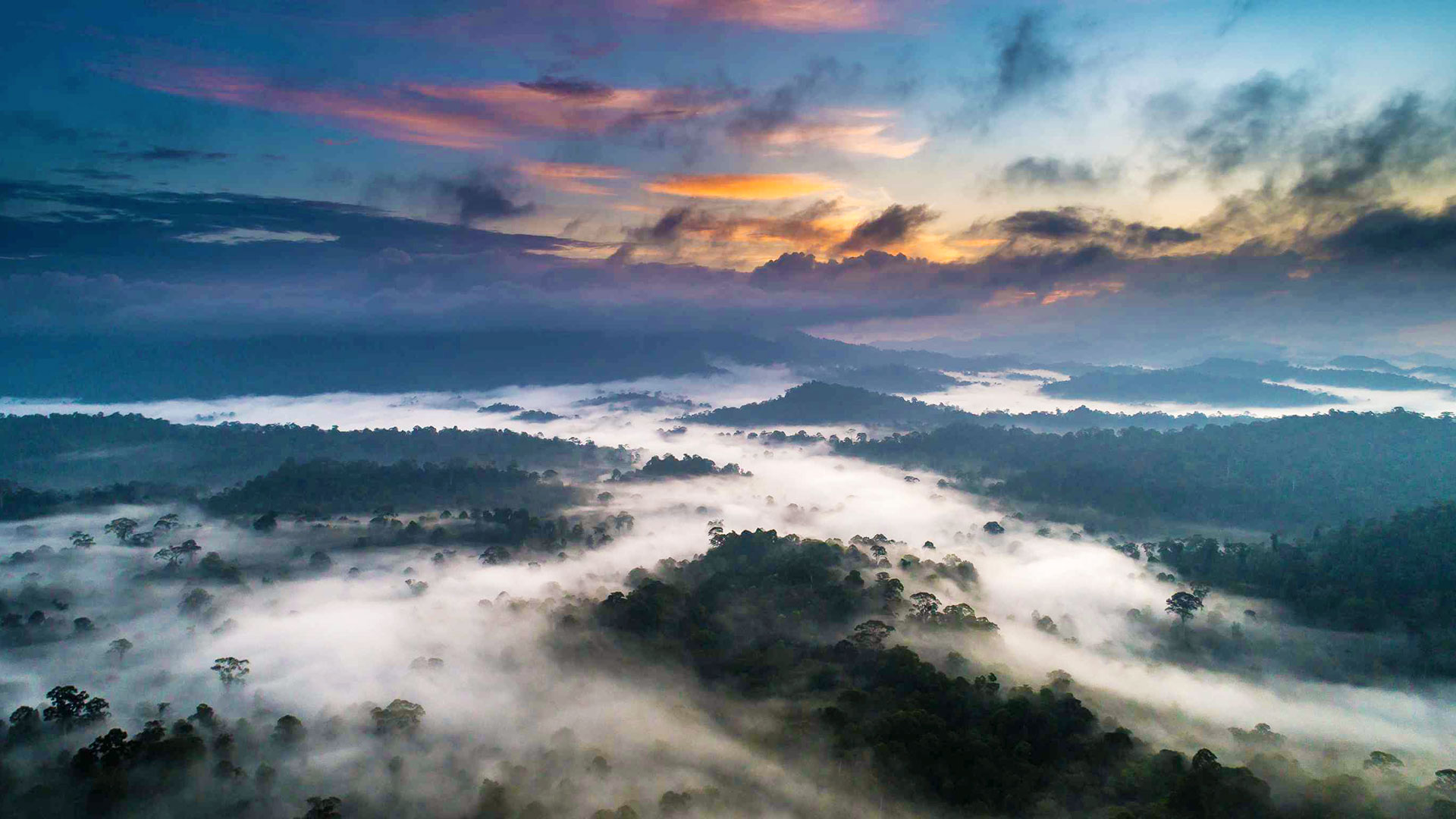
Under full canopy, midday can meter like dusk. Expect high ISOs (1600–6400 is normal), embrace modern denoise software, favour wider apertures, and use trees and railings as improvised supports. The gift hiding in the gloom: shafts of dawn light through mist produce the most atmospheric images of the trip — be out early.
The rules, and why
No flash on wildlife during night walks and drives — it stresses nocturnal animals and can damage sensitive eyes. Spotlights are guide-controlled; shoot in their beam at high ISO. By day, keep distance from primates and let the guide set positioning. The photograph is never worth compromising the animal.
The shot list
- Dawn mist over the Danum River from the lodge
- The Viewpoint panorama — the valley's definitive landscape
- Canopy walkway leading lines and eye-level hornbills
- Giant dipterocarp buttress roots with a person for scale
- Night macro: frogs, stick insects, sleeping lizards
- And the one you can't plan: the orangutan. Keep the long lens mounted at all times around fruiting trees
Modern phones handle the landscapes and macro surprisingly well; wildlife at distance is where they fail. Consider renting a bridge/superzoom camera for the trip rather than buying.