
Thousands of visitors — including families and older travellers — visit Danum Valley safely every year. The risks that exist are manageable with basic preparation.
Leeches: the famous one
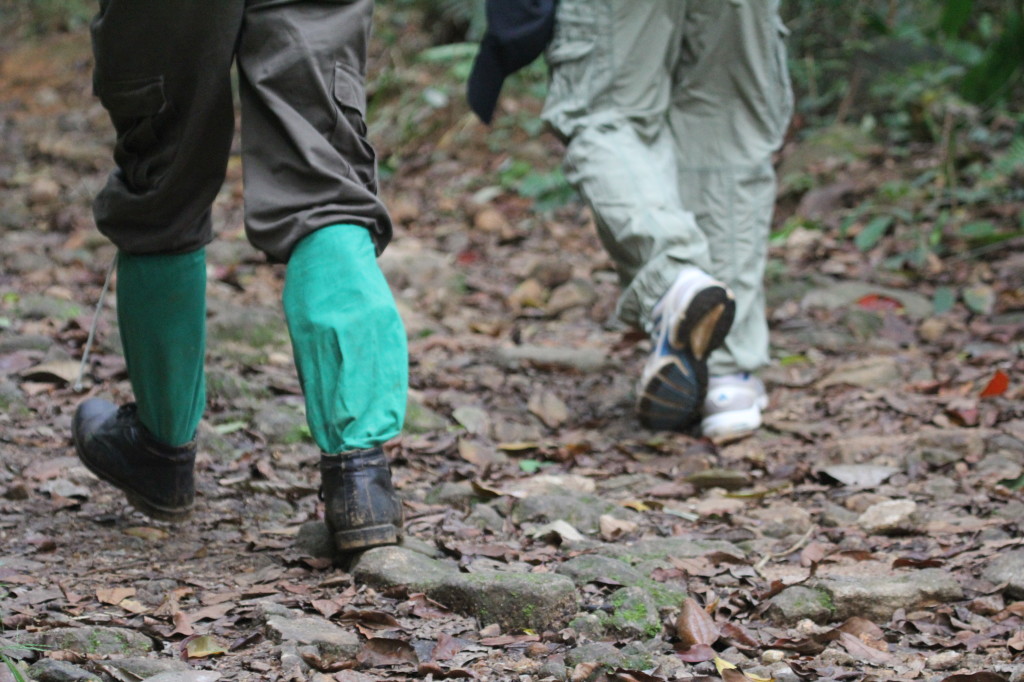
Yes, there are leeches, especially after rain. No, they're not dangerous — they don't transmit disease and their bites are painless, just occasionally messy. Long trousers tucked into socks (or dedicated leech socks) prevents most encounters, and any that get through are easily removed. Most visitors stop caring about them by day two. Salt or insect repellent on boot laces is a common local trick.
Malaria and dengue
Malaria risk in Sabah's main tourist areas is generally low, but Danum Valley is deep rainforest, where risk can be somewhat higher than in towns. Consult a doctor or travel clinic before your trip about whether anti-malarial medication makes sense for you — this is a personal medical decision, not one a travel website should make. Dengue also exists in Borneo and is spread by daytime mosquitoes.
Regardless of medication decisions, the practical precautions are the same: DEET-based repellent, long sleeves and trousers in the evening, and sleeping under nets where provided. Interestingly, sandflies tend to be a bigger day-to-day nuisance here than mosquitoes.
Snakes and dangerous wildlife
Snakes exist but encounters are rare, and bites rarer still — snakes avoid trail activity and guides know what to look for. The animals people worry about (clouded leopards, elephants) pose essentially no risk to guided groups: leopards avoid humans entirely, and guides maintain respectful distances from elephant herds. Follow your guide's instructions and the wildlife risk rounds to zero.
Trail safety
The genuine physical risks are mundane: slipping on wet roots, turning an ankle on steep steps, and heat exhaustion from trekking in high humidity. Proper footwear, plenty of water, and honest communication with your guide about your fitness handle all three. Trails are never walked unguided — that's both a permit rule and a real safety measure in unbroken forest.
How remote is medical help?
Genuinely remote — the nearest hospital is in Lahad Datu, 2.5 hours away by 4WD. Lodges carry first aid and guides are trained for common issues, but this isn't a place for taking chances. Bring all personal medication (with spares), basic first aid, and rehydration sachets. Travel insurance that covers remote-area evacuation is strongly recommended.
See a travel doctor 4–6 weeks before departure (malaria advice, routine vaccinations). Arrange travel insurance with medical evacuation cover. Pack personal medications, DEET repellent, and basic first aid. Tell your lodge about any medical conditions when booking.