
Every trail you walk was cut for researchers first. Understanding that history transforms the visit from sightseeing into something closer to pilgrimage.
How a research station saved a forest
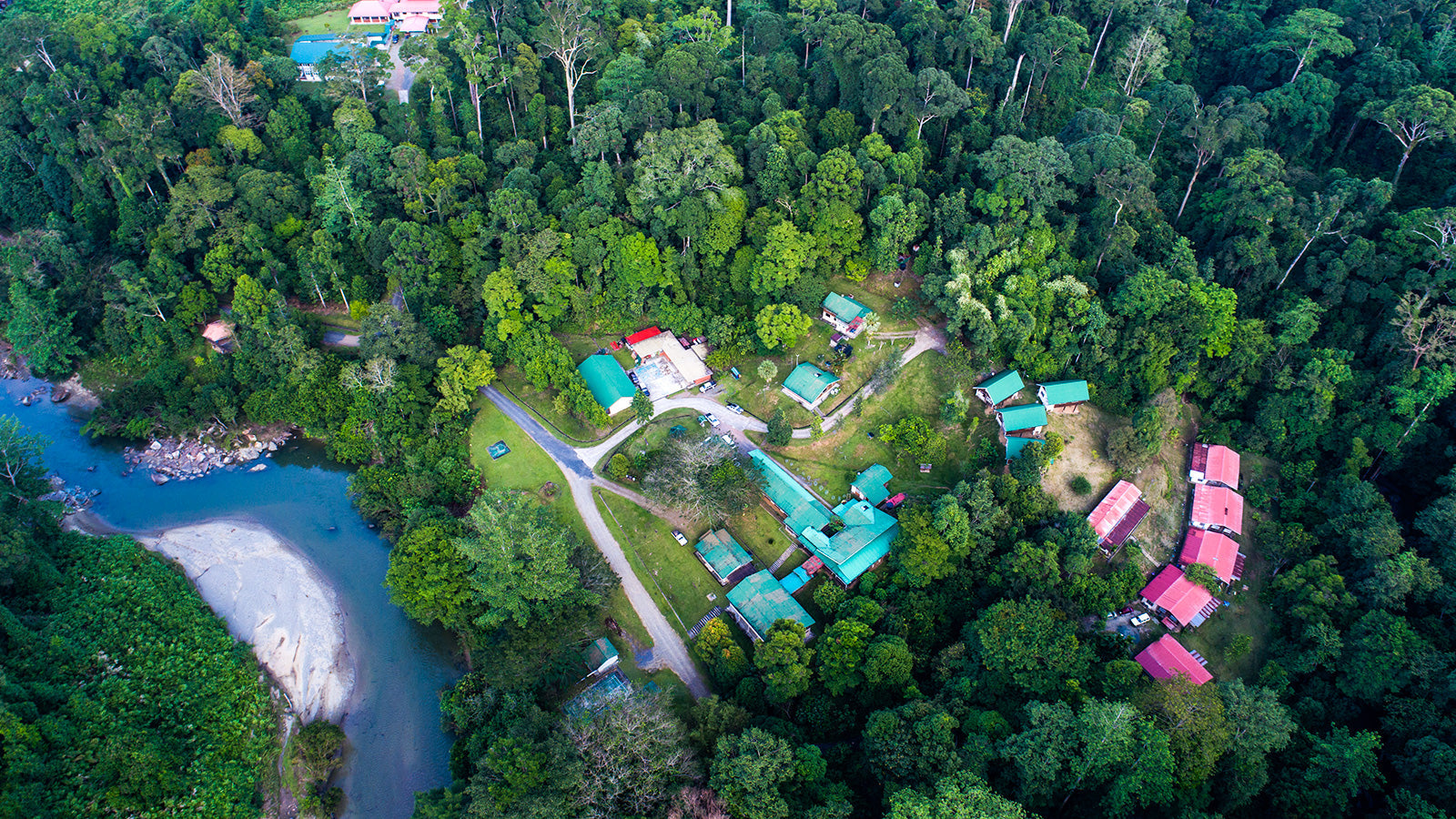
The Danum Valley Field Centre opened in 1986 under Yayasan Sabah, in collaboration with international scientific partners including the Royal Society's South East Asia Rainforest Research Programme — establishing the area's value to global science years before the conservation area was formally gazetted in 1995. The accumulating research record became the forest's shield: it's hard to log a place the world's ecologists depend on as a baseline.
What the science here has shown
- The primary-forest baseline: as one of the last unlogged reference forests, Danum data anchors studies comparing logged and restored forest across Borneo — including work in the neighbouring, recovering Ulu Segama reserve
- Canopy and carbon research: long-running plots track how ancient dipterocarp forest stores carbon and responds to climate — and produced the survey work that confirmed Menara as the tallest tropical tree ever recorded
- Wildlife ecology: camera-trap and tracking studies of clouded leopards, orangutan behaviour in undisturbed habitat, and hornbill ecology draw on Danum's unique intactness
Science you'll brush against as a visitor
Stay at the Field Centre and you'll share meals with active researchers; walk any trail and you'll pass numbered trees, marked plots, and the occasional camera trap. Guides — many of whom have assisted research teams for years — carry that knowledge into every walk. Ask them about it: the stories are extraordinary.
Tourism revenue and permit fees flow into the conservation and research infrastructure — visitors aren't a burden the science tolerates, but part of how it survives. More in our conservation guide.